One of the things which i learned in Thattekkad was the importance of recognising the bird calls. Thattekkad forest is dense & it is very difficult to spot the birds like how i do in Bharatpur or Sultanpur etc, were all the birds are in the open & the vegetation is not thick.
Observing & birding with Girish, really showed me the importance of identifying bird calls. 9 out of 10 times Girish identifies birds by their calls. First he identifies the call & then zeroes in on the possible location.
 Another highlight of this trip is; This is the first time that my bird count went over 100.......... as i got my list together, the final bird count goes like this :
 2. White Bellied Treepie
3. Racquet Tailed Drongo
4. Ashy Drongo
5. Bronzed Drongo
6. Black Drongo
9. Black Hooded Oriole
10. Eurasian Golden Oriole

11. White Breasted Kingfisher
12. Common Blue Kingfisher
13. Pied Kingfisher
14. Jungle Babbler
15. Yellow Billed Babbler
16. Puff Throated Babbler
17. Dark Fronted Babbler
18. Indian Scimitar Babbler
19. Asian Brown Flycatcher
20. Asian Paradise Flycatcher

21. Blue Throated Flycatcher
22. Brown Breasted Flycatcher
23. Tickell’s Blue Flycatcher
24. Rusty Tailed Flycatcher
25. White Bellied Blue Flycatcher
26. Orange Headed Thrush
27. Malabar Whistling Thrush
28. Blue Bearded Bee Eater
29. Green Bee Eater
30. Heart Spotted Woodpecker

31. White Bellied Woodpecker
32. Lesser Yellow Naped Woodpecker
33. Black Rumped Flameback
34. Streak Throated Woodpecker
35. Brown Capped Pygmy Woodpecker
36. Greater Flameback
37. Plain Flowerpecker
38. Pale Billed Flowerpecker
39. Green Imperial Pigeon
40. Mountain Imperial Pigeon
41. Pompodour Green Pigeon

43. Hill Mynah
44. Common Mynah
45. Grey Jungle Fowl
48. White Cheeked Barbet
49. Crimson Fronted Barbet
50. Yellow Browed Bulbul
51. Ruby Throated Bulbul

53. Grey Headed Bulbul
54. Red Vented Bulbul
55. Red Wattled Lapwing
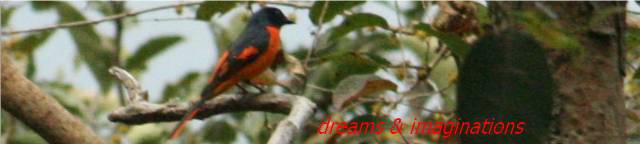
56. Scarlet Minivet
57. Small Minivet
58. Greenish Warbler
59. Forest Wagtail
60. Crimson Backed Sunbird
61. Purple Rumped Sunbird

63. Little Spiderhunter
64. Malabar Parakeet
65. Plum Headed Parakeet
67. Vernal Hanging Parrot
68. Black Headed Munia
69. Brown Cheeked Fulveta
70. Golden Fronted Leaf Bird
71. Asian Fairy Blue Bird

72. Eurasian Black Bird
73. Koel
74. Black Naped Monarch
75. Dollar Bird
76. Malabar Trogan
77. Jerdon’s Night Jar
78. Indian Pitta
79. Srilankan Frog Mouth
80. Intermediate Egret
81. Whiskered Tern
 82. River Tern
83. Little Cormorant
84. Pond Heron
85. Darter
86. Bronze Winged Jacana
87. White Breasted Waterhen
88. Ashy Wood Swallow
89. Red Rumped Swallow
90. Indian Swiftlets
91. Brown Shrike

92. Large Wood Shrike
93. Large Cuckoo Shrike
94. Drongo Cuckoo
95. Crested Goshawk
96. Black Baza
97. Black Eagle
98. Crested Serpent Eagle
99. Booted Eagle
100. Brown Fish Owl
101. Mottled Wood Owl
 102. Brown Hawk Owl
103. Jungle Owlets
104. Oriental Honey Buzzard
105. Shikra
106. Brahminy Kite


 On our way Girish told us to be careful about Leeches. We saw the Rusty Tailed Fly Catcher for the first time. The forest was really thick & beautiful. I could see Leeches climbing up my shoes every minute. I became very frisky & I found it difficult to concentrate on the birds. So we decided to move to the less dense forest, where there will be no Leeches. As we came out Girish said wait.......... it is a
  It was again a very beautiful bird.
  This time we managed to take some snaps, before it flew away again !! On a distance i was able to see a Black Eagle. The rest of the evening we spent looking at all the water birds, watching all the fish in the
  enjoying the beauty of this largest river in Kerala, we watched the River Terns fishing. Our bird count was touching hundred, but i have not yet seen the Brown Hawk Owl. Well, everyone who reports on Thattekkad, says it is the first bird they saw. Unfortunately it has not been in its usual perch. I am hoping to see it before i leave tomorrow
 sitting there & looking down at us. But unfortunately it just gave us glimpse & flew away. We searched again for an hour but could not see it. But atleast we got a clue of its possible roost, we made plans to come tomorrow, just to see the Mottled Wood Owl again.
 Plus they were also so tall.
  Thattekkad is a tropical evergreen forest. Some of the tree species were Vellapine (Vatera indica), Bhadraksham (Eleocarpus tuberculatus), Cheeni (Tetrameles nudiflora) Thambakom (Hopea parviflora), Nedunan (Polyanthia fragrans), Anjily (Artocarpus hirsuta), Rosewood (Dalbergia latifolia) , Venga ( Prerocarpus marsupium), Elavu (Bombax cebia), Teak (Tectona grandis) Maruthi (Terminalia paniculata) Thembavu (Terminalia tomentosa) Venteak ( Lagerstroemia lanceolata).
 Suddenly i saw something. I pointed out to Girish........ he jumped up in joy and he announced it is a male & female of
  A truly beautiful bird, with amazing colours !!
 The sound of the tapping which it made on the tree was amazing.
 All three of us were looking, looking, could see nothing, we thought the Pitta is on the ground, but this one was sitting on a branch. Suddenly it flew to a nearby tree, that is when we saw it in all its brilliance. A truly awesome bird. it kept us really engaged for about 15mts. Infact we got four different sightings in the next 15 mts. It was quite dark by then, so it was difficult to get any clear snaps
 I said........ what ?? Can it be so active ?? Girish said of course, they sleep in the day, but as dusk settles in; they start their hunt. It was unbelievable to see this bird so active. Diving & swooping away at insects at will. Then it got too dark & it was time for us to get back.
 All of us could not believe our eyes. Here is the bird we have been waiting to see, suddenly making a appearance. That too within our first 10 minutes in the sanctuary, we could not believe our luck. It was beautiful, with a lovely crest, which was flaying in the air. I managed to take a couple of photographs, before it flew away. It was truly an unforgettable moment. (
 A very unusual looking nocturnal bird. Girish told us to be very careful & not to touch or move any branches of the trees while observing the bird. Because once it flies away, then it becomes very difficult to sight it again.